79.二叉搜索迭代器
题目
实现一个二叉搜索树迭代器类BSTIterator ,表示一个按中序遍历二叉搜索树(BST)的迭代器:
- BSTIterator(TreeNode root) 初始化 BSTIterator 类的一个对象。BST 的根节点 root 会作为构造函数的一部分给出。指针应初始化为一个不存在于 BST 中的数字,且该数字小于 BST 中的任何元素。
- boolean hasNext() 如果向指针右侧遍历存在数字,则返回 true ;否则返回 false 。
- int next()将指针向右移动,然后返回指针处的数字。
注意,指针初始化为一个不存在于 BST 中的数字,所以对 next() 的首次调用将返回 BST 中的最小元素。
你可以假设 next() 调用总是有效的,也就是说,当调用 next() 时,BST 的中序遍历中至少存在一个下一个数字。
示例:
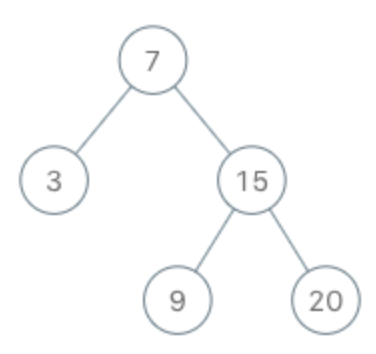
输入
- ["BSTIterator", "next", "next", "hasNext", "next", "hasNext", "next", "hasNext", "next", "hasNext"]
- [[[7, 3, 15, null, null, 9, 20]], [], [], [], [], [], [], [], [], []]
输出 - [null, 3, 7, true, 9, true, 15, true, 20, false]
解释 - BSTIterator bSTIterator = new BSTIterator([7, 3, 15, null, null, 9, 20]); - bSTIterator.next(); // 返回 3 - bSTIterator.next(); // 返回 7 - bSTIterator.hasNext(); // 返回 True - bSTIterator.next(); // 返回 9 - bSTIterator.hasNext(); // 返回 True - bSTIterator.next(); // 返回 15 - bSTIterator.hasNext(); // 返回 True - bSTIterator.next(); // 返回 20 - bSTIterator.hasNext(); // 返回 False
提示:
- 树中节点的数目在范围 [1, 105] 内
- 0 <= Node.val <= 106
- 最多调用 105 次 hasNext 和 next 操作
进阶:
- 你可以设计一个满足下述条件的解决方案吗?next() 和 hasNext() 操作均摊时间复杂度为 O(1) ,并使用 O(h) 内存。其中 h 是树的高度。
思路
直接DFS跑一遍中序遍历,把结果存进列表,然后用一个指针遍历列表。
class BSTIterator(root: TreeNode?) {
    private val list = mutableListOf<Int>()
    private var index = 0

    init {
        inorder(root)
    }

    private fun inorder(node: TreeNode?) {
        if (node == null) return
        inorder(node.left)
        list.add(node.`val`)
        inorder(node.right)
    }

    fun next(): Int = list[index++]

    fun hasNext(): Boolean = index < list.size
}
简单直接,时间O(1),但空间O(n),把整棵树的值都存下来。
题目进阶要求: 空间复杂度O(h),h是树的高度。
进阶思路: 用栈模拟中序遍历
为什么能用栈模拟? 回想中序遍历的过程:
复杂度
- 时间复杂度:
- 空间复杂度:
- 邮箱 :charon.chui@gmail.com
- Good Luck!